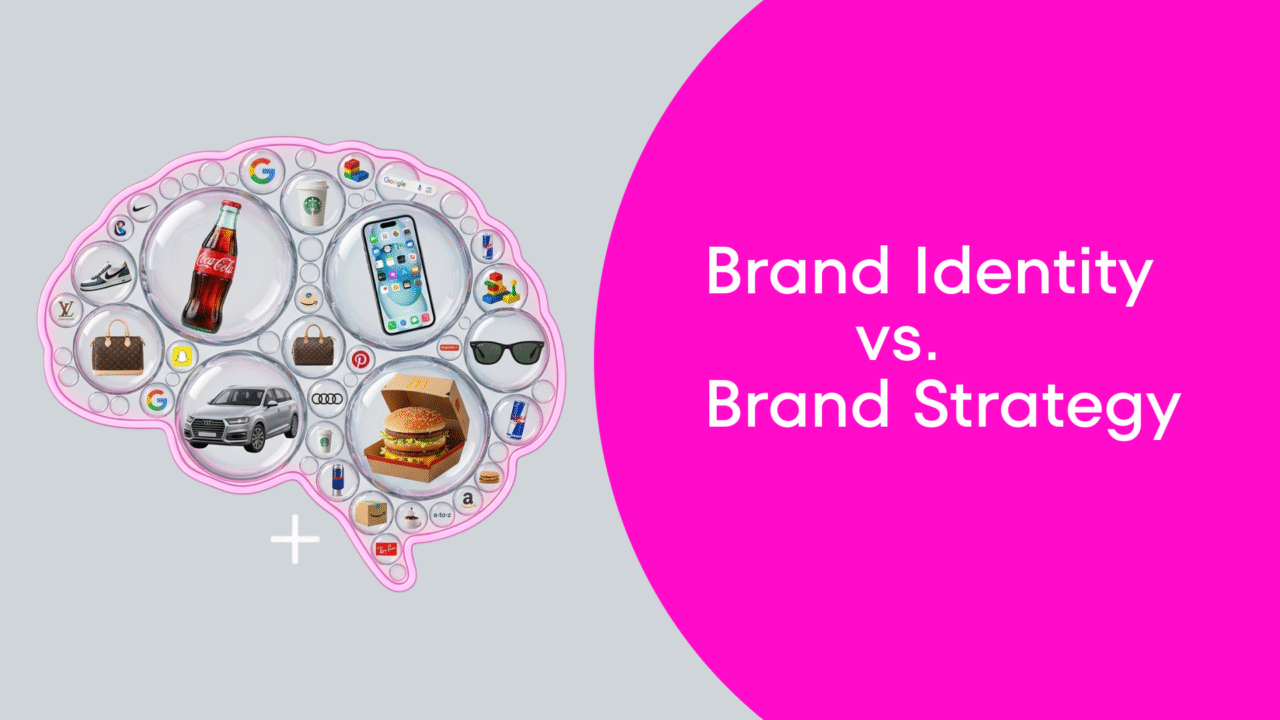
For a long time, a brand can look perfectly fine, but after 3, 5, or 8 years, something may happen: sales stop growing, new clients stop coming in, and the brand starts to stagnate. This is often the point where people begin to realize that the difference between brand strategy and brand identity matters much more than they expected. Yes, there may be a logo, some recognition, and even a solid customer base, but without a real brand strategy, all of that visual presence does not necessarily help the business grow.
This is exactly why the discussion around branding structure is so important. Visually, everything may look attractive, but in the minds of customers and new audience segments, the right logical connections are not being formed. A strong brand needs both sides working together, but they do very different jobs.
Brand strategy is about the “why” — why people buy from us. It is a set of decisions and characteristics that help a brand firmly establish its niche in the consumer’s mind. This is documented in the brand platform, which includes positioning, value proposition, and target audience analysis. This is the strategic side: the foundation, the logic, the positioning, and the meaning behind the brand.
Brand identity, on the other hand, is the visual and verbal expression of that strategy. It is how the brand shows up: how it looks, how it is noticed, how it differentiates itself, and how it communicates its price position. Brand identity usually solves three main tasks.
First, it says, “Look at me, how do I look, how do you notice me?” With good identity, attracting attention should come first, because a brand needs to stand out among many others. That is one reason these two concepts should never be treated as the same thing.
Second, identity helps with differentiation, so that you are visually distinct from all the brands in your category. Identity helps people recognize you, while strategy explains why you should matter.
Third, brand identity visually communicates your price position. And this is a very important point: you can only communicate your pricing position if you have all the strategic documents in place. Strategy defines the position, while identity expresses it in a way that people can instantly understand.
If we go further into the difference between the two, it is important to remember that a brand can always launch without strategy. Many companies do exactly that. Some may say that this is a mistake and that it should not be done, but that is not true. Any brand can start with just a logo in order to test whether its concept, idea, or product is actually needed by the market.
But once you have validated your concept, it becomes important to build the foundation. At that stage, the relationship between brand strategy and brand identity starts to influence growth more seriously. You need to understand why people will buy from you, who your audience is, and what your positioning will be.
According to research by Nielsen, 77% of consumers make purchases based solely on the brand name. A brand name is not just a logo or a visual asset. It means that your brand has created real meaning in the customer’s mind, and that meaning comes from strategy first, not identity alone.
Another interesting fact: according to Lucidpress research, startups that ignore strategy spend 2 to 3 times more on rebranding within 3 years. This is one more reason why the strategic side should be understood early. You can always create identity later, but without strategy, identity risks becoming just decoration instead of a growth tool.
And when we talk about rebranding, the cost difference becomes even clearer. In the first year, you may spend 8–10, but later you may need to spend 20–30 thousand, because the company has grown and requires more resources for a rebrand. This is another practical example: strategy helps you avoid expensive corrections later, while identity helps you communicate the right message now.
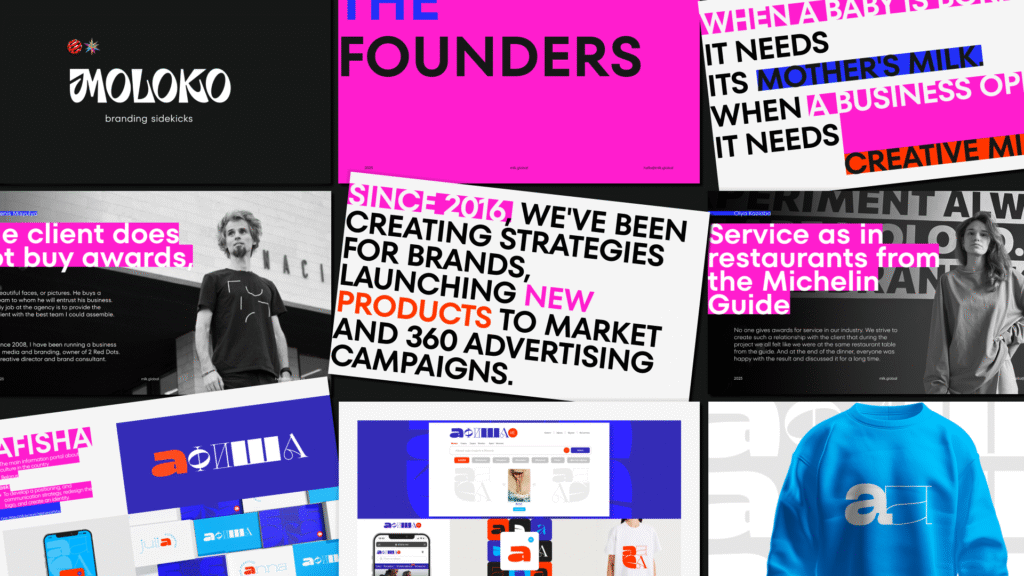
Let’s look at how our company, the branding agency Moloko, created three brands in different categories that were originally launched with a strategic foundation first, and only then with identity. This is one of the best examples in practice: strategy first, identity second, and growth as the result.
Three Cases Where Strategy Came First
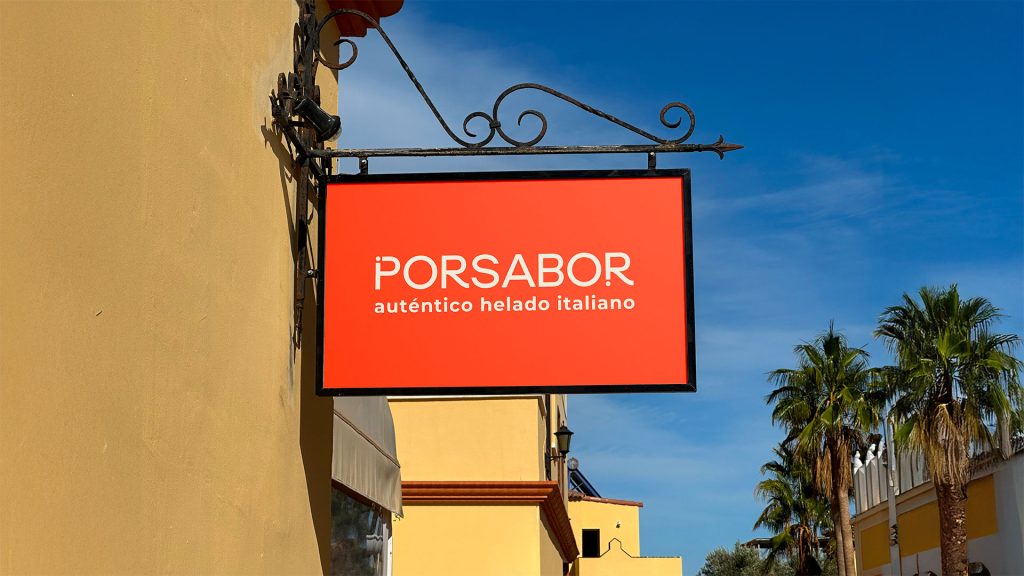
Porsabor — Ice Cream Café, Tenerife

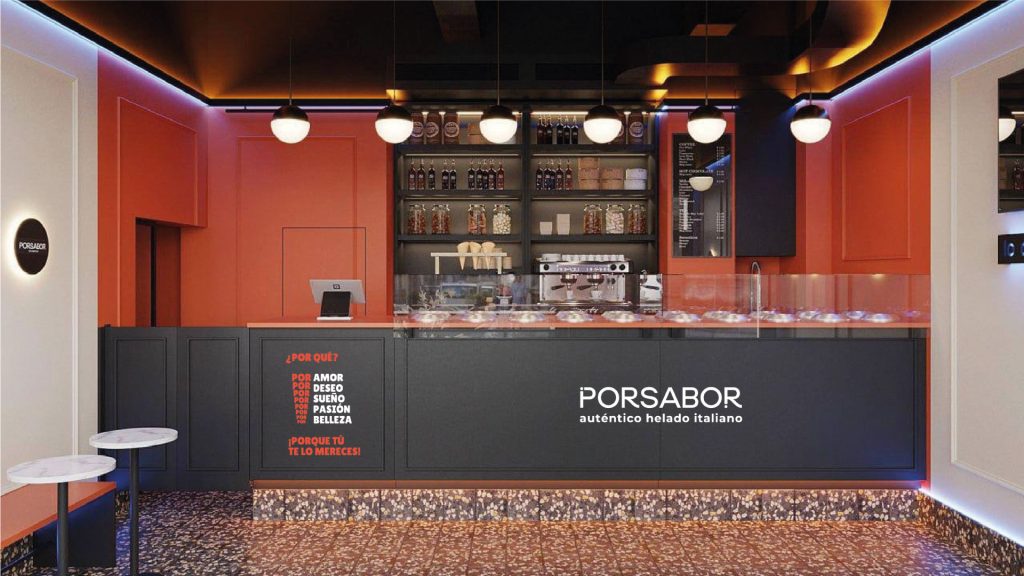
Porsabor is a craft ice cream café built from scratch in Tenerife. The brief was to create a brand for a new location entering a crowded tourist and local market. We could have started with visual concepts. We started with naming strategy instead.
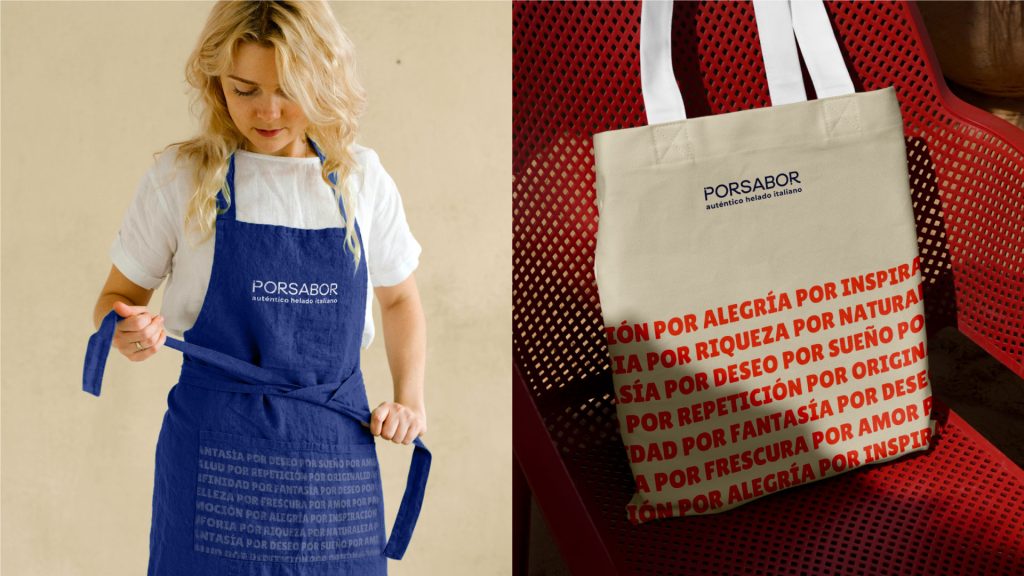
The name itself — combining por favor (please) and sabor (taste) into a new word meaning “for taste’s sake” — carried the entire brand strategy inside it. The positioning: ice cream as an emotional experience worth doing anything for. That strategic decision made every subsequent visual choice obvious. The Spanish exclamation marks ¡! became structural elements of the logo. The colors were built around the emotional tension of sun and cold. The identity didn’t decorate the strategy — it was derived from it.
The result: Porsabor became an iconic destination in Tenerife, drawing locals and tourists not just for the product quality but for the coherence of the brand experience. That coherence came from strategy first.

Miory Krai — Regional Tourist Brand, Belarus
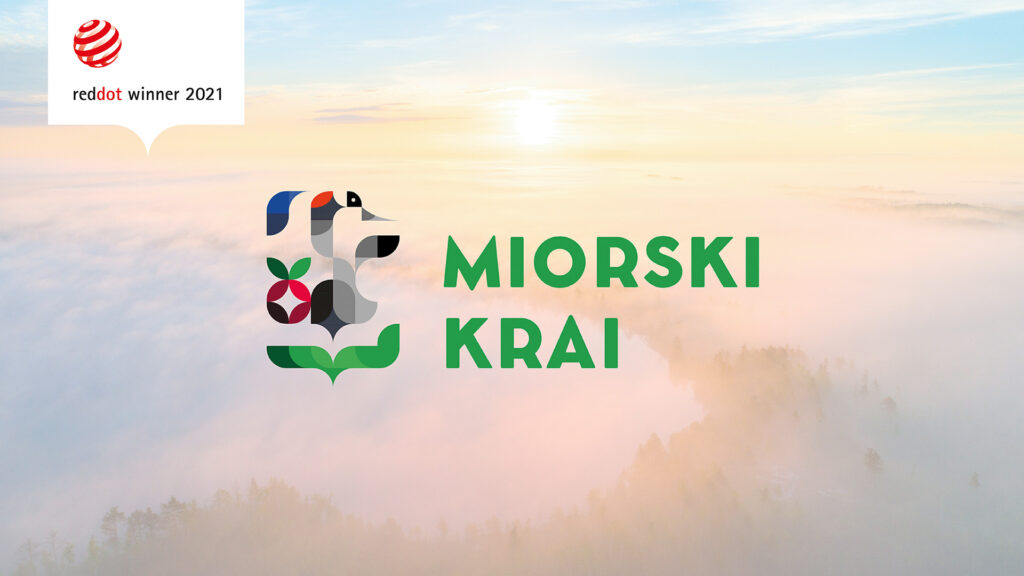
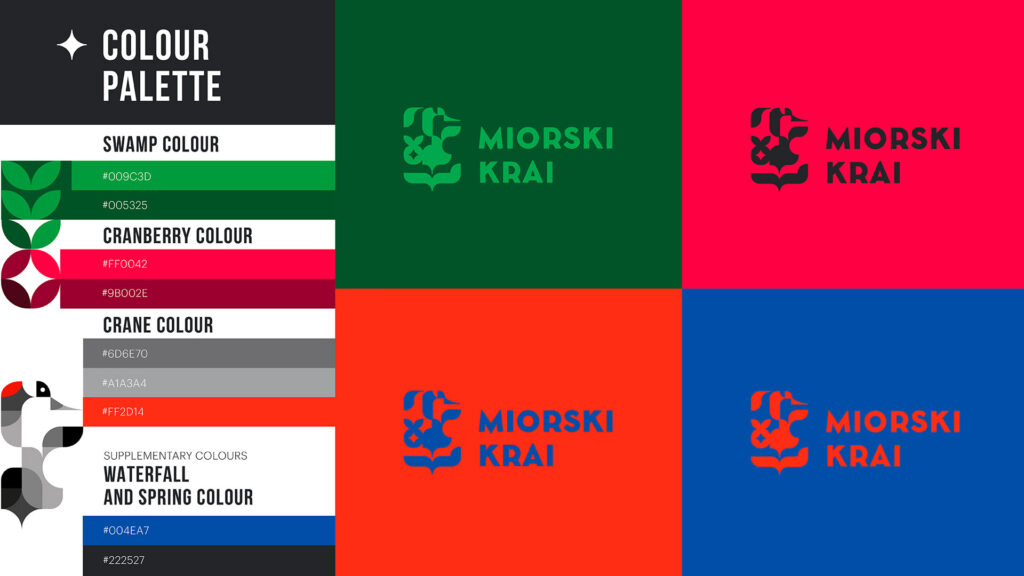
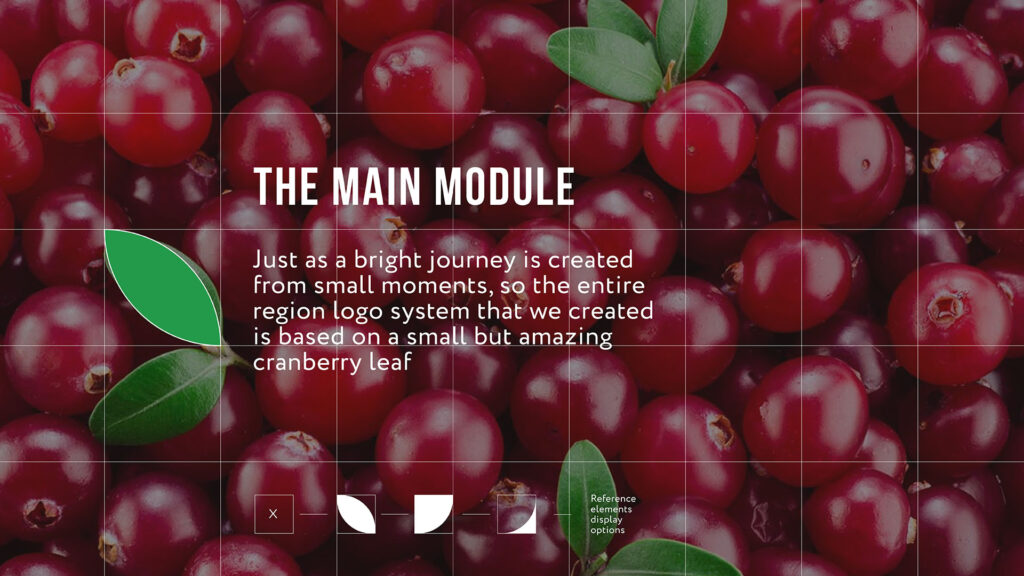
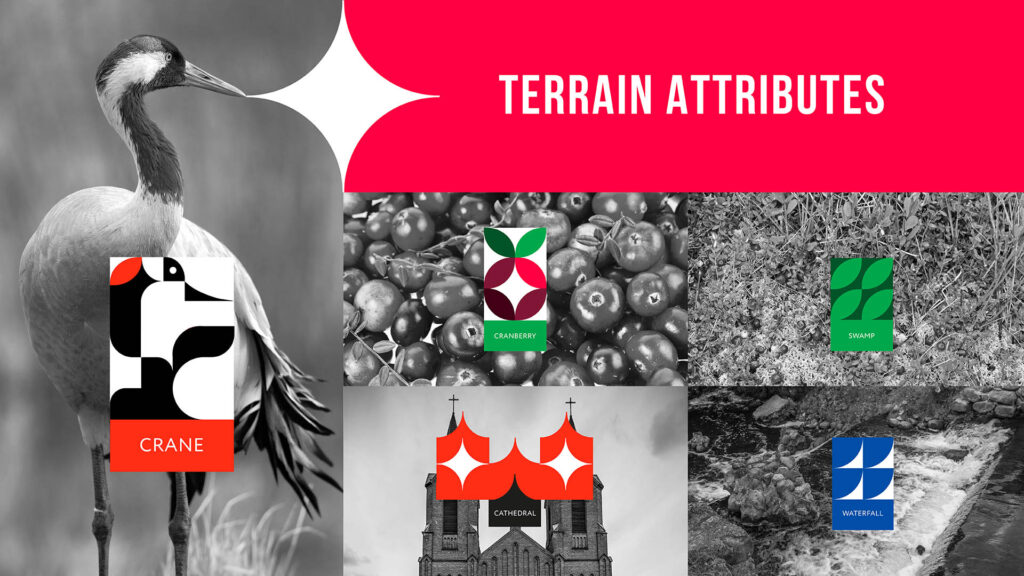
Miory Krai is a tourist brand for a Belarusian region built around an unlikely asset: raised bogs. Nobody was positioning a region around swamps. That’s exactly why it worked.
The strategy started with a question: what does this region have that no other region has, and can we make that genuinely desirable? The answer — “local exotic,” positioning Miory as a place to experience a completely unfamiliar ecosystem close to home — reframed the region’s biggest perceived weakness as its most distinctive strength.
The brand essence: Miory Region — local exotic. The motto: Marvel Nearby. The identity followed from that positioning — not the other way around.
The outcome: a 200% increase in festival visitors following the rebrand. That number didn’t come from a prettier logo. It came from a positioning decision that gave people a reason to come.
Rembox — Architecture and HR Brand
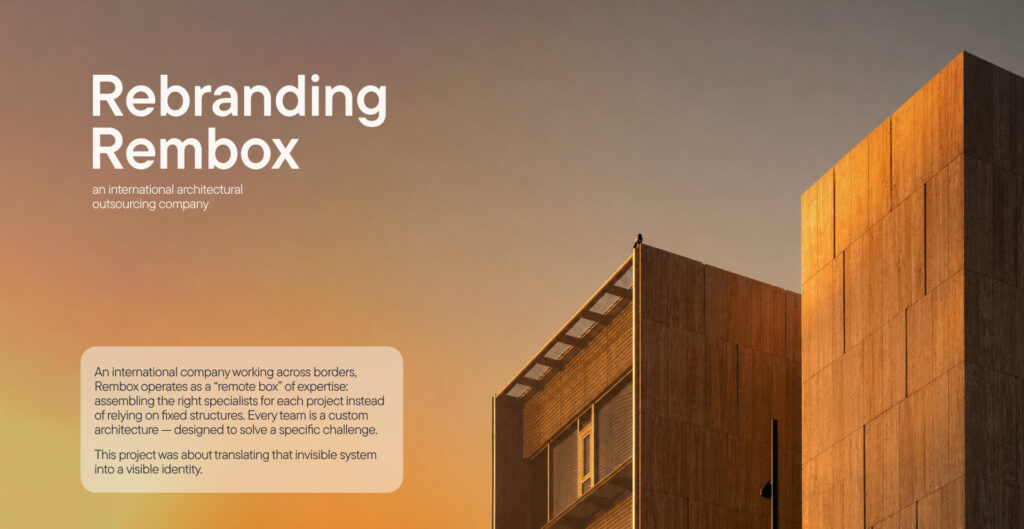
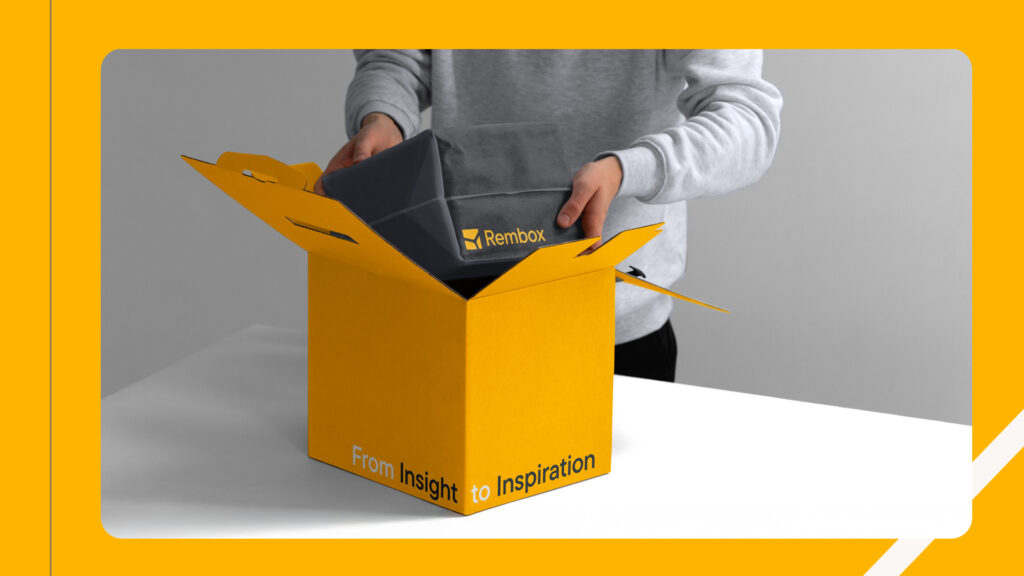
Rembox required a rebrand that honored what already existed while building a genuinely new strategic foundation. The Big Idea we developed — Architectural Humanism — positioned human resources as the core asset of an architecture firm, not the buildings they design. The cornerstone: Rembox doesn’t design spaces, it creates environments for people to unlock their potential.
That strategic idea determined the entire identity system. The logo, the visual language, the HR brand, the communication strategy — all of it was derived from the positioning that human capital is the foundation for innovation in architecture. The COO’s response after the engagement: the team “immersed themselves in the process” and “treated it with respect” — the comment of a client who recognized that the work was built on understanding, not aesthetics.
Without the strategic clarity of Architectural Humanism, the rebrand would have been a visual refresh. With it, it was a repositioning that changed how the company was perceived by both clients and talent.


One example of strategy-driven identity from our own practice: when we named the Moloko agency’s internal project management system, we called it “Branding Sidekick” — deliberately. Not “project tool” or “agency OS.” Sidekick. The word carries a specific strategic idea: not the hero, not a vendor, but the reliable partner who handles the operational complexity so the creative work can be the hero.
That name came from positioning thinking, not from design. The functionality of the tool followed the positioning. The way we talk about it follows the positioning. One strategic decision — sidekick, not service provider — shaped everything downstream.
That’s what brand strategy does. It’s not a document you file. It’s a decision that makes all subsequent decisions easier.
The Mymarini example shows why strategy has to come first.

Mymarini, a European swimwear brand, didn’t start with creative concepts or visual differentiation. They first identified a very specific audience that was being underserved: women looking for functional, size-inclusive swimwear with a design language that didn’t force them to compromise. And only after that did they build the brand around that audience.
That’s why the identity works. The visual side follows the strategy, instead of trying to replace it. The brand looks the way it does because it was designed to speak to a specific segment and solve a specific need.
That’s the real difference: when a brand is built strategy-first, every creative decision has a reason behind it. When it’s built identity-first, the visuals may look good, but they often don’t hold together over time because there’s no strategic foundation underneath.

What a Real Brand Strategy Contains
Before any logo work starts, the strategy needs to be documented. This is where the brand platform lives — the structured foundation that every subsequent decision is built on.
The brand platform covers seven interconnected layers:
1. Purpose / Mission — why the brand exists beyond revenue
2. Vision — where it’s going and what it’s becoming
3. Positioning — the specific, defensible claim in the market
4. Values — the 2–3 principles that constrain real decisions
5. Brand Personality — how the brand behaves and communicates
6. Brand Essence — the single idea at the center of everything
7. Visual Identity — the system that makes all of the above visible
This structure is what we call the brand pyramid — each layer building on the one below it. The visual identity sits at the top, not the bottom. It’s the last thing defined, not the first.
We’ve built all of this into Branditex — a brand strategy platform where you can fill in each section of the pyramid interactively, see how they connect, and export a complete brandbook with one click. For startups that can’t justify a full agency engagement, it compresses the brand platform development process from months to hours, while keeping the strategic rigor intact. Every section syncs — update your positioning and it reflects across the Communication Compass, Positioning Map, and tone of voice settings automatically.
What actually works is simple:
- Research
First, you look at audience behavior, the competitor landscape, and the real truth about the product. - Strategy
Then comes positioning, the brand platform, the pyramid, and the reasons people should believe in you. - Identity
After that, you build the visual system — but only based on the strategy, not separately from it. - Communication
Then you activate the brand through campaigns, content, and channels. - Iteration
And finally, you keep improving the strategy as the brand learns and grows.
A lot of startups skip straight to identity. Some even jump straight to communication. But the brands that grow strongest are the ones that start with research and strategy first, then build the visuals on top of that foundation.
Identity is important — no question about that. But it’s the second chapter, not the first.