Let me say something uncomfortable upfront. Most “best AI Marketing Tools” lists are sponsored content dressed up as editorial. The tools at the top are there because someone paid for placement. The descriptions are copy-pasted from press releases. Nobody on the editorial team actually used the product.
This list is different. Every tool here either I use directly, my team has worked with on client projects, or people in my network have validated in real workflows. The test isn’t whether the tool has impressive demo screenshots — it’s whether it changes how actual marketing work gets done.
AI marketing tools have moved well past novelty. McKinsey’s 2025 Global AI Survey found that businesses using generative AI in marketing saw 5–10% real revenue growth. 83% of marketers using AI report increased productivity. The average marketer saves more than 5 hours per week. These aren’t projections anymore — they’re benchmarks.
Here are the 21 AI marketing tools worth your time in 2026.
AI Marketing Tools: Automation & Workflow
1. Gumloop as AI Marketing Tools
Best for: AI workflow automation without code
The most underrated tool on this list. Gumloop is what you’d get if Zapier and Claude had a child that actually understood marketing workflows. It connects any LLM — ChatGPT, Claude, Grok — to your existing tools without requiring API keys or engineering support. The interface is clean, the automation logic is visual, and the MCP integration means your AI agents can act on real data in real time.
Used by teams at Shopify, Webflow, and Instacart. Practical applications: automated competitor intelligence reports, social sentiment analysis, content briefing pipelines, and research aggregation workflows. If you build only one AI automation system, build it here.
2. Zapier as AI Marketing Tools
Best for: Connecting tools and automating repetitive tasks
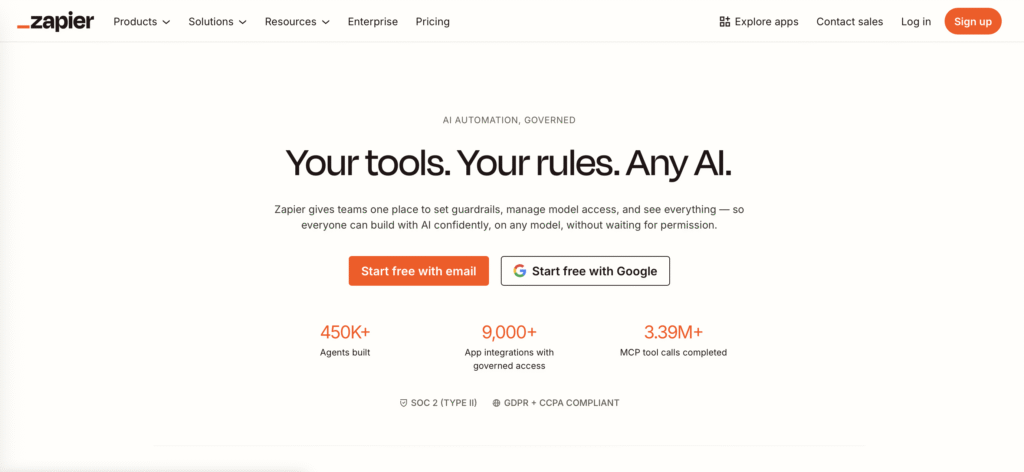
Zapier has been around long enough that people underestimate it. The AI layer added in recent updates — natural language workflow creation, AI-powered action suggestions — makes it genuinely more powerful for marketing automation. Connect your CRM to your email platform to your spreadsheet to your Slack. Build the connective tissue that makes your stack function as a system rather than a collection of disconnected tools.
AI Marketing Tools: Writing & Content
3. Claude
Best for: Any complex marketing task requiring real reasoning
Not just a writing tool. The most powerful general-purpose AI for marketing work when used properly: research synthesis, competitive analysis, brand strategy documents, content briefs at scale, landing page copy, review response systems, custom tool building via Claude Code. Create separate projects for each client or business unit, add skills for recurring task types, connect MCP servers to live data sources. Claude functions as a marketing copilot rather than a content generator.
4. Jasper AI
Best for: Copywriting at volume for teams
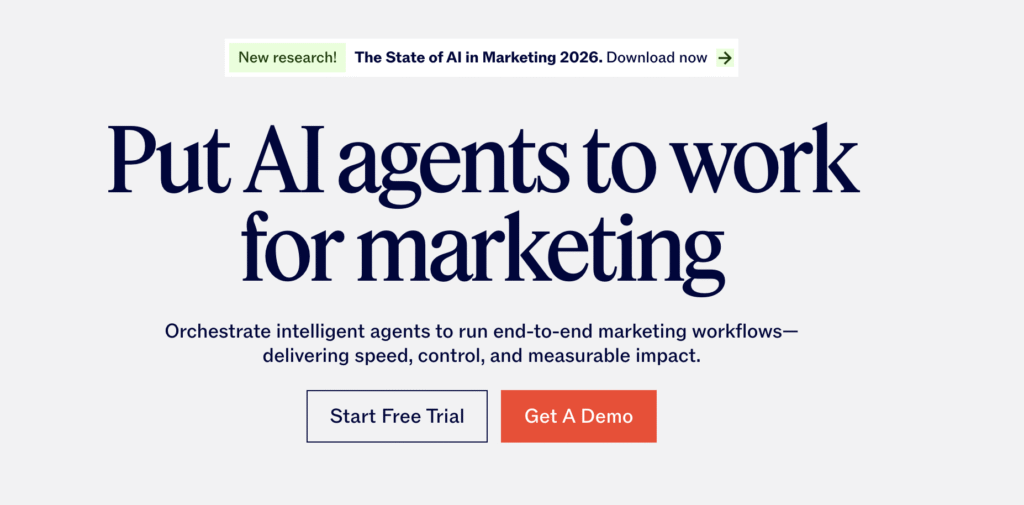
Where Claude requires you to provide context and direction, Jasper is pre-configured for marketing output. Templates for ads, landing pages, email sequences, product descriptions, and social posts. Brand voice training means output stays consistent across a team. Best for organizations producing high volumes of marketing copy who need guardrails without losing speed.
5. Writer.com
Best for: Enterprise content at scale with brand consistency
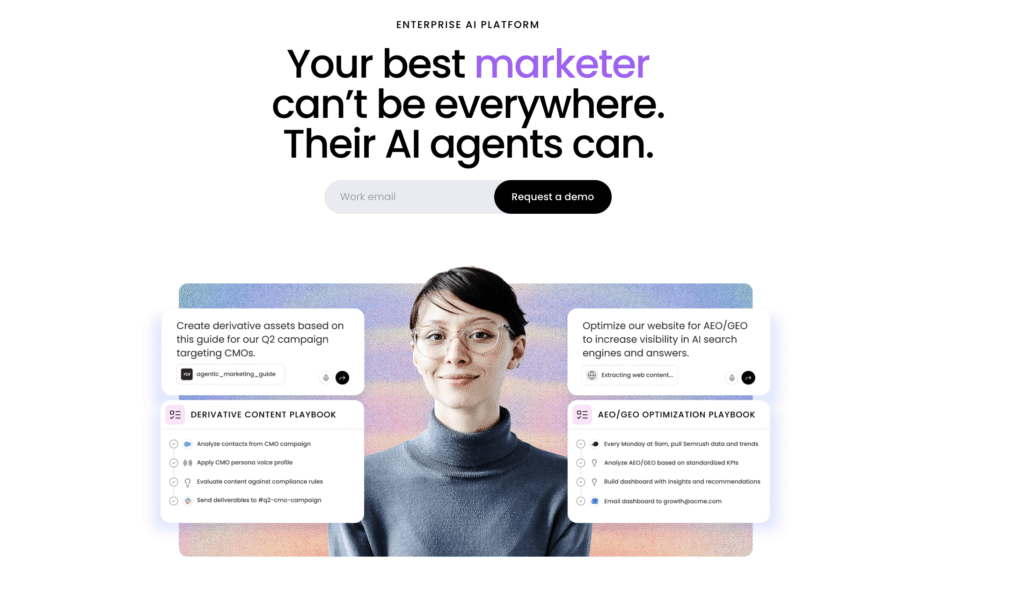
Writer is what Jasper becomes when a company needs serious governance around AI-generated content. Brand voice enforcement, terminology management, style guide compliance, team collaboration — all built in. If you have compliance requirements or a large marketing team producing content across multiple markets, Writer manages the consistency problem that most AI tools ignore.
6. Brandwell
Best for: Long-form SEO content generation
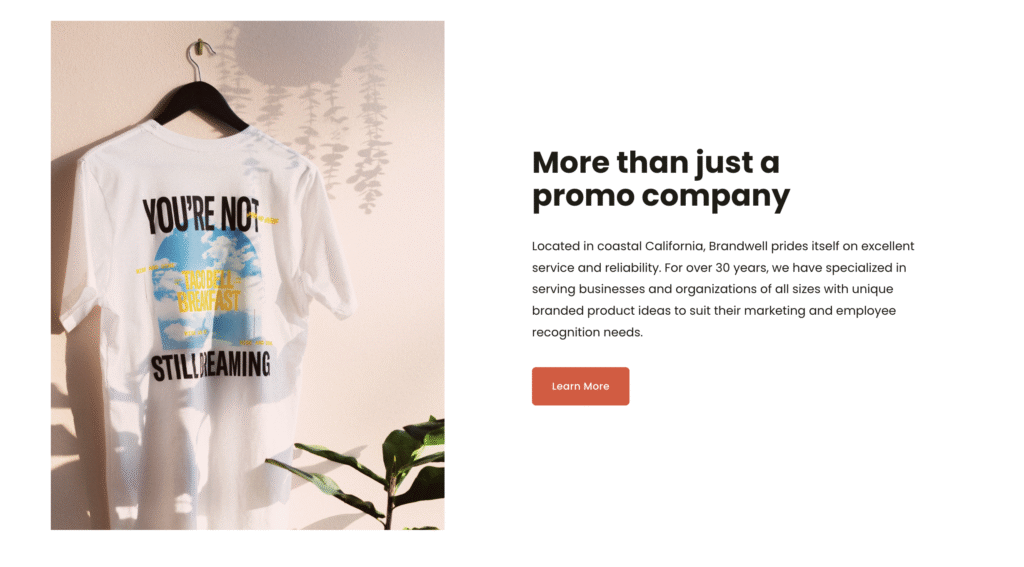
One of the more capable tools for producing SEO-optimized long-form articles at scale. Not a replacement for editorial judgment — but a significant accelerant for content operations that need volume alongside quality. Useful for businesses building topical authority through blog content.
Best for: Rewriting AI content to read as human
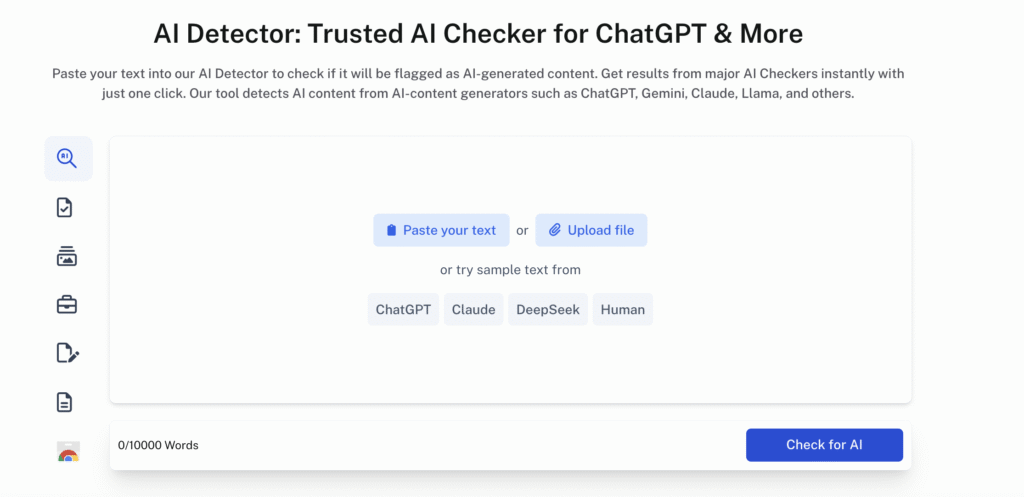
A specific-use tool for a real problem: AI-generated content that reads like AI-generated content. Undetectable AI rewrites text to pass detection tools and, more importantly, to read naturally. Use it as a final pass on any AI-assisted content before publication.
Best for: Clarity editing for any marketing copy
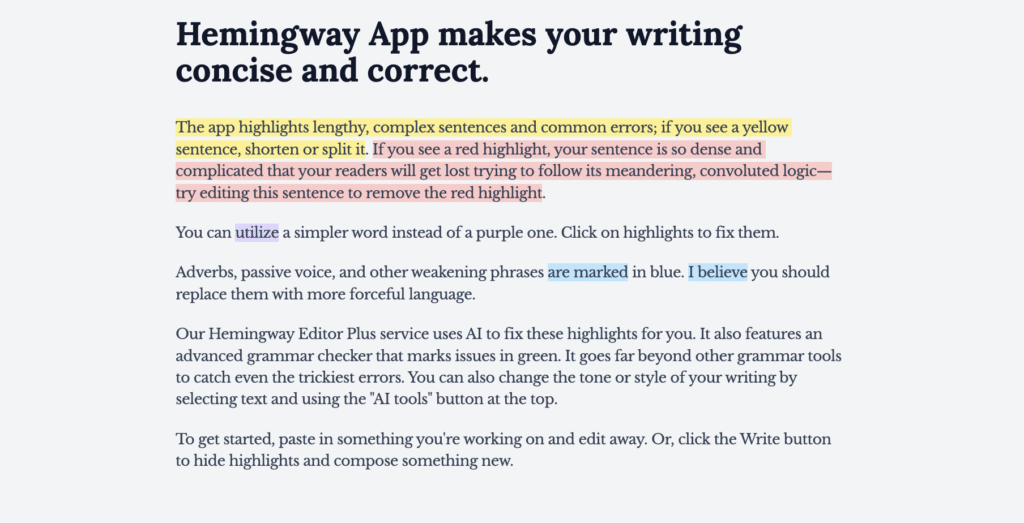
Not purely AI, but too useful to exclude. Hemingway identifies sentences that are hard to read, passive voice, unnecessary adverbs, and grade-level complexity. Run any AI-generated copy through Hemingway before it goes anywhere public. The output reads like a human who knows how to write. That matters.
9. Grammarly
Best for: Real-time writing assistance and tone adjustment
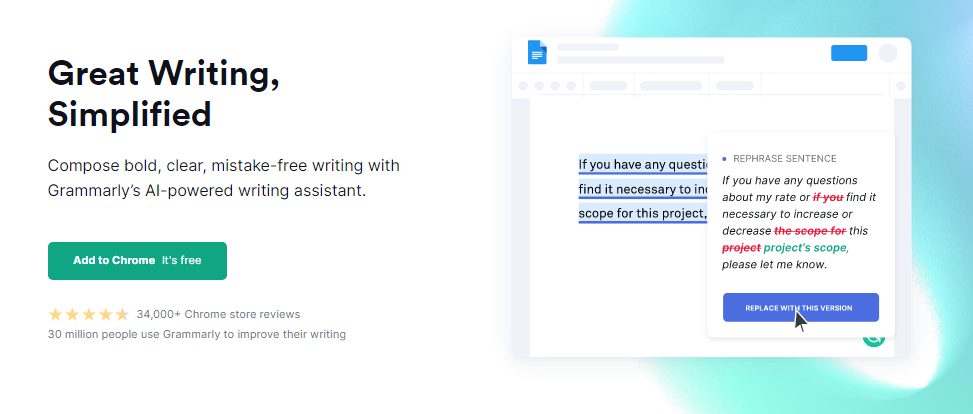
Grammarly’s AI layer goes beyond grammar now — tone detection, clarity suggestions, and cross-platform integration mean it functions as a real-time editorial assistant across email, docs, and web tools. The business tier adds brand voice and style guide enforcement for teams.
AI Marketing Tools: SEO & Content Optimization
10. Surfer SEO
Best for: On-page content optimization against live SERPs
Surfer analyzes the top-ranking pages for your target keyword and tells you exactly how to structure, word-count, and semantically optimize your content to compete. The AI writing assistance built into the editor means you can optimize while writing rather than fixing after the fact. Essential for any content operation where search visibility matters.
11. ContentShake AI
Best for: SEO blog writing with built-in keyword research
Semrush’s AI writing tool combines keyword intelligence with content generation in one interface. Identifies content opportunities, generates article outlines, and writes drafts optimized for target keywords. The competitive intelligence layer — showing what competing content covers — is the differentiating feature.
AI Marketing Tools: Visual & Video Content
12. Midjourney
Best for: Campaign concept visualization and creative direction
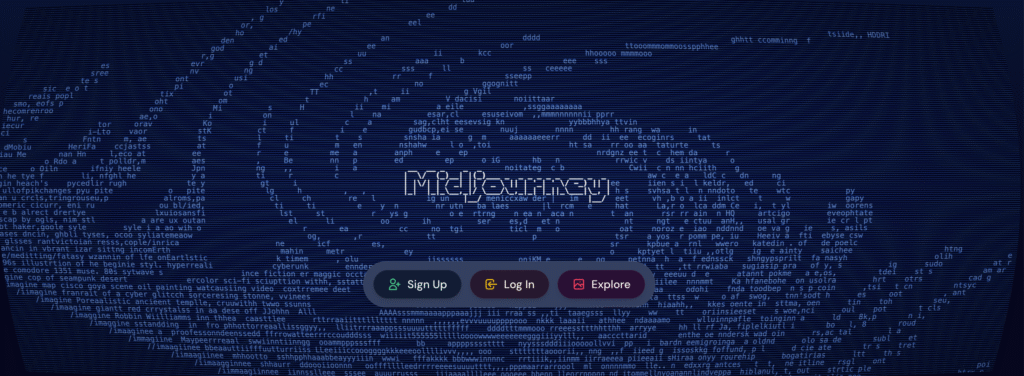
Used in agency and brand workflows to explore creative directions before committing to photography or illustration budgets. Generate 20 visual concepts in an hour that would have taken a week of mood board curation. The output feeds art direction briefs, client presentations, and campaign concepting. Not for final production — for thinking fast and cheaply.
13. Kling AI
Best for: AI video generation
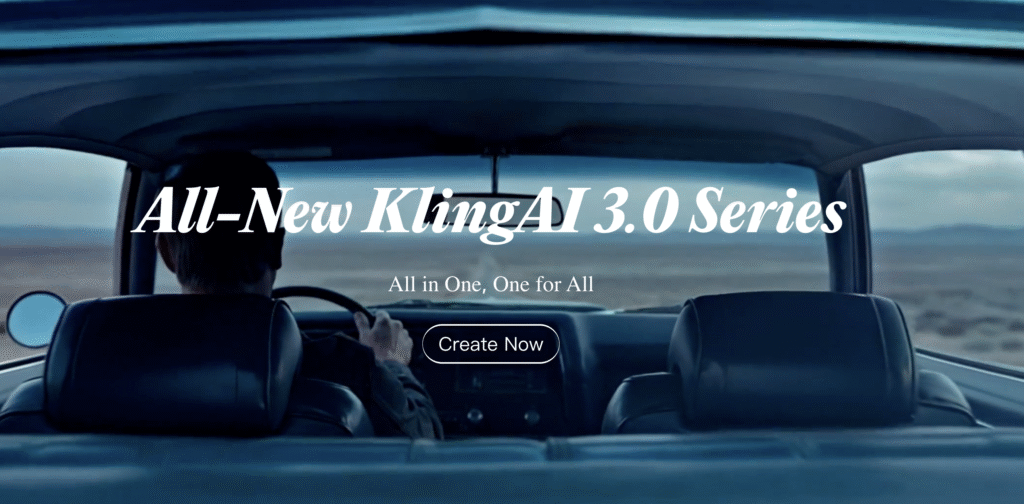
Text-to-video and image-to-video generation for marketing content. The quality has reached a point where short social content, concept previews, and explainer sequences can be produced without video production budgets. Particularly useful for B2C brands testing video creative on social before investing in production.
14. Crayo
Best for: Short-form social video at volume
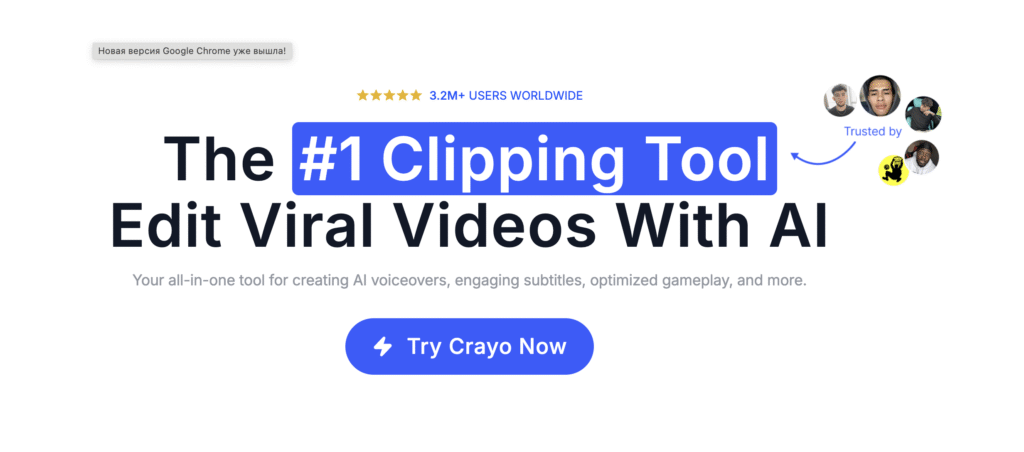
Purpose-built for the short-form video formats that dominate TikTok, Instagram Reels, and YouTube Shorts. Hooks, captions, B-roll, music — assembled into a publishable format faster than any traditional video workflow. For brands that need to be consistently present in short-form formats without dedicated video teams.
15. PhotoRoom
Best for: Product image editing and background removal
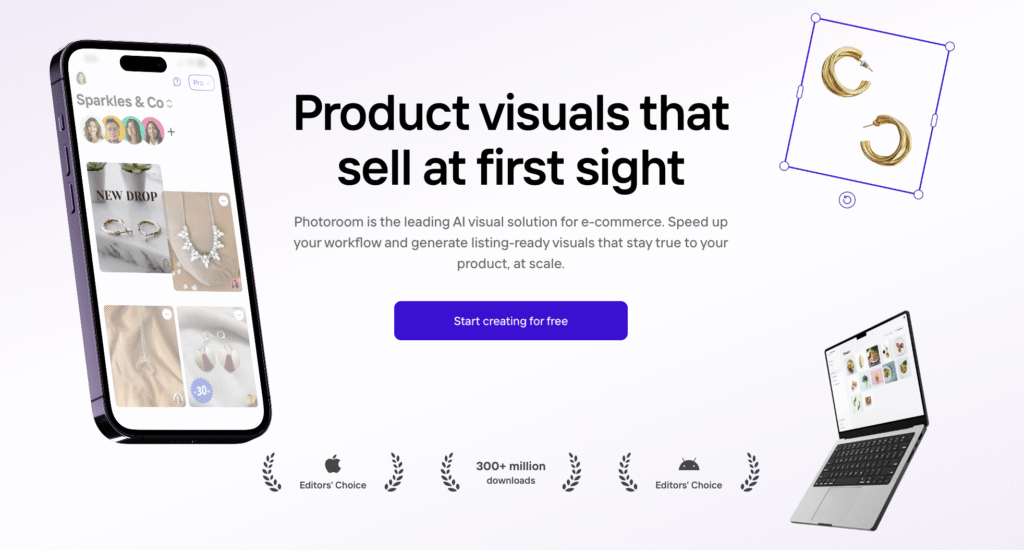
Removes backgrounds, replaces them with studio-quality alternatives, and produces e-commerce-ready product images without photography infrastructure. For brands selling physical products online, this compresses the product photography workflow significantly.
16. Lexica Art
Best for: AI-generated blog thumbnail images
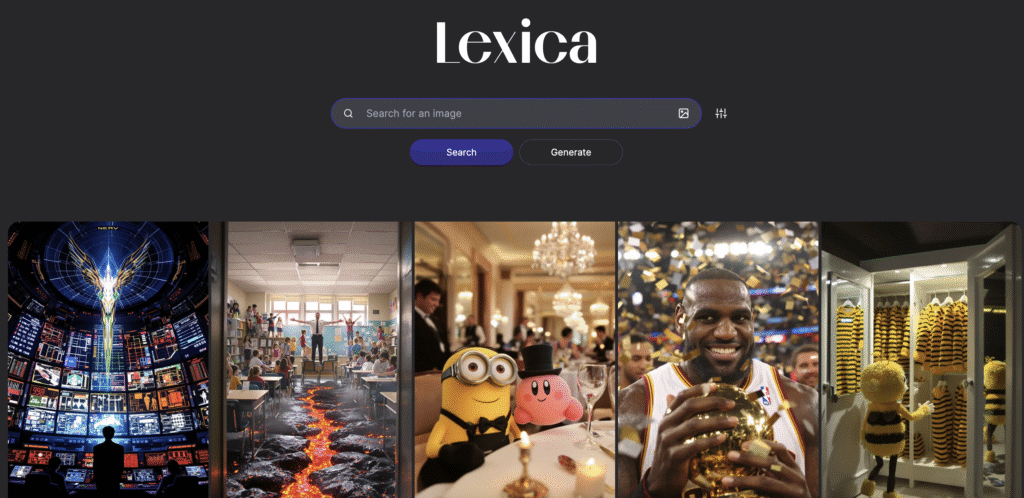
Generates photorealistic images from text prompts. Specifically useful for blog and article thumbnail creation — a category that requires fresh visuals at volume but rarely justifies a stock photography subscription per image.
AI Marketing Tools: Analytics, Research & Monitoring
17. Paradigm AI
Best for: AI-powered data research and synthesis
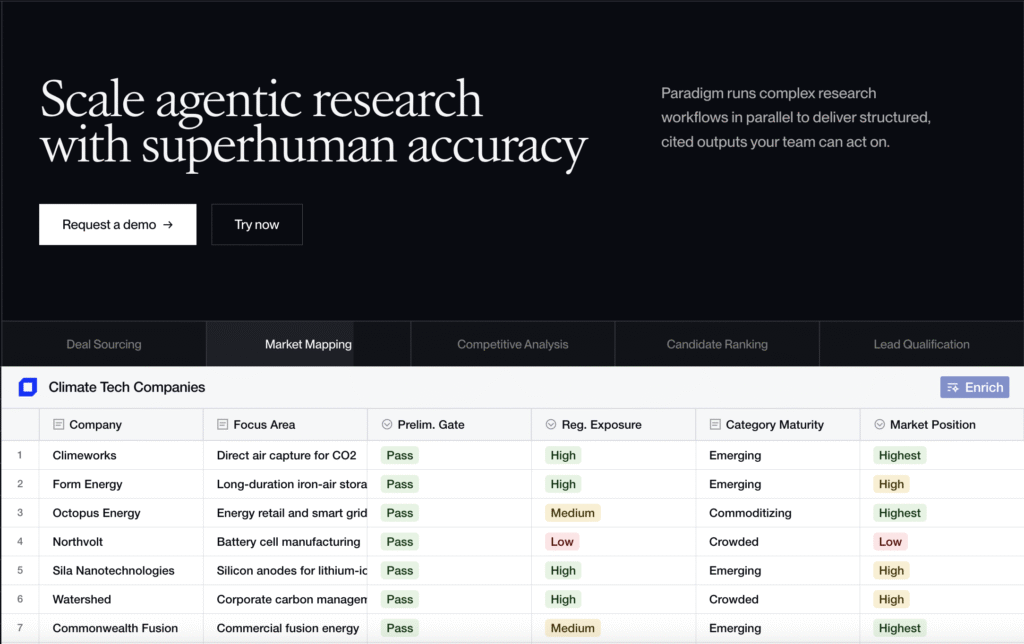
For marketers who need to synthesize large volumes of research data quickly. Paradigm uses AI to process, analyze, and surface insights from datasets that would require analyst hours to review manually. Research-heavy industries — fintech, healthcare, SaaS — get the most out of this.
18. Brand24
Best for: Media monitoring and brand mention tracking
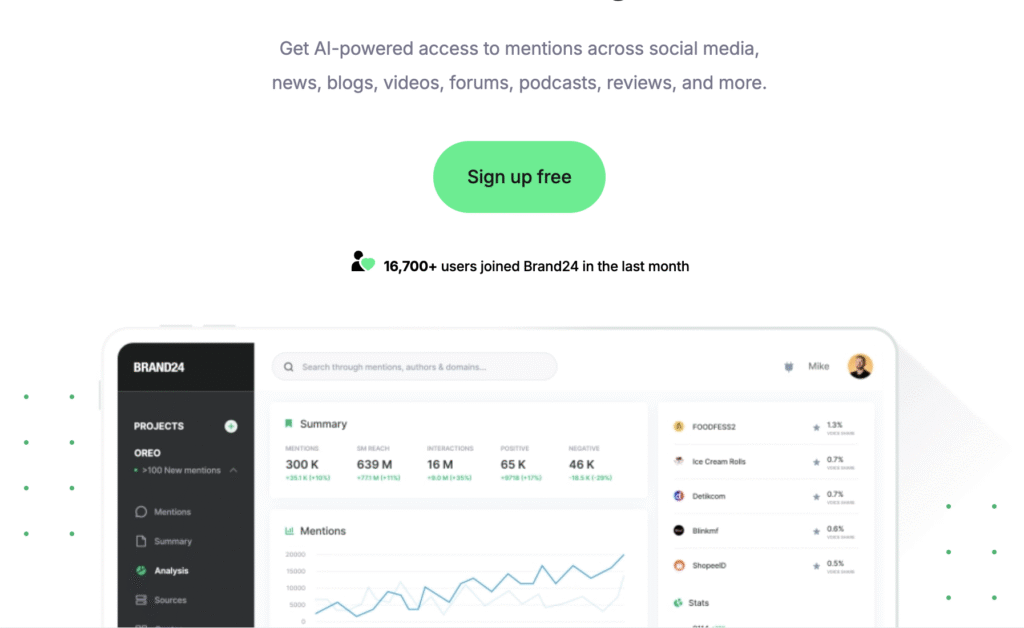
Tracks brand mentions across the web, social media, news, and podcasts in real time. The AI sentiment analysis layer classifies mentions and identifies trend shifts before they become crises — or before positive momentum goes unexploited. Essential for any brand with meaningful online presence or PR activity.
19. Browse AI
Best for: Web scraping without code
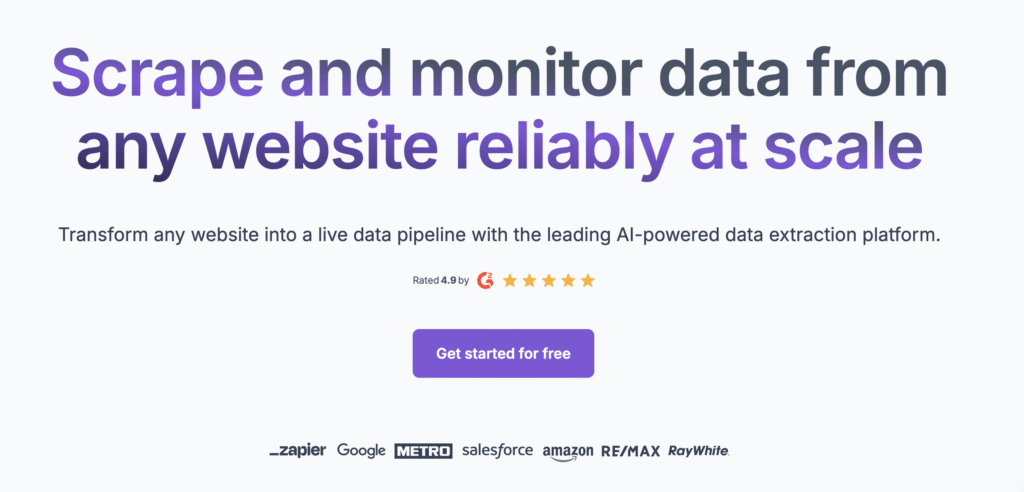
Train a robot to scrape any website and monitor it for changes. Competitor pricing, product updates, job postings (which reveal strategic priorities), press coverage — all monitored automatically and delivered to your spreadsheet or workflow. The competitive intelligence layer this enables is significant for any market with active competitors.
AI Marketing Tools: Advertising & Conversion
20. Albert.ai
Best for: Autonomous digital advertising optimization
Albert operates as an autonomous AI that manages and optimizes digital advertising campaigns across Google, Meta, and programmatic channels. It adjusts bids, reallocates budgets, tests creative variations, and identifies audience segments — continuously, without manual intervention. For organizations spending meaningful budgets on digital advertising, the efficiency gains compound quickly.
21. Branditex
Best for: Brand strategy development and brandbook generation
Every tool on this list helps you execute marketing faster. Branditex is the one that makes sure you’re executing the right strategy in the first place.
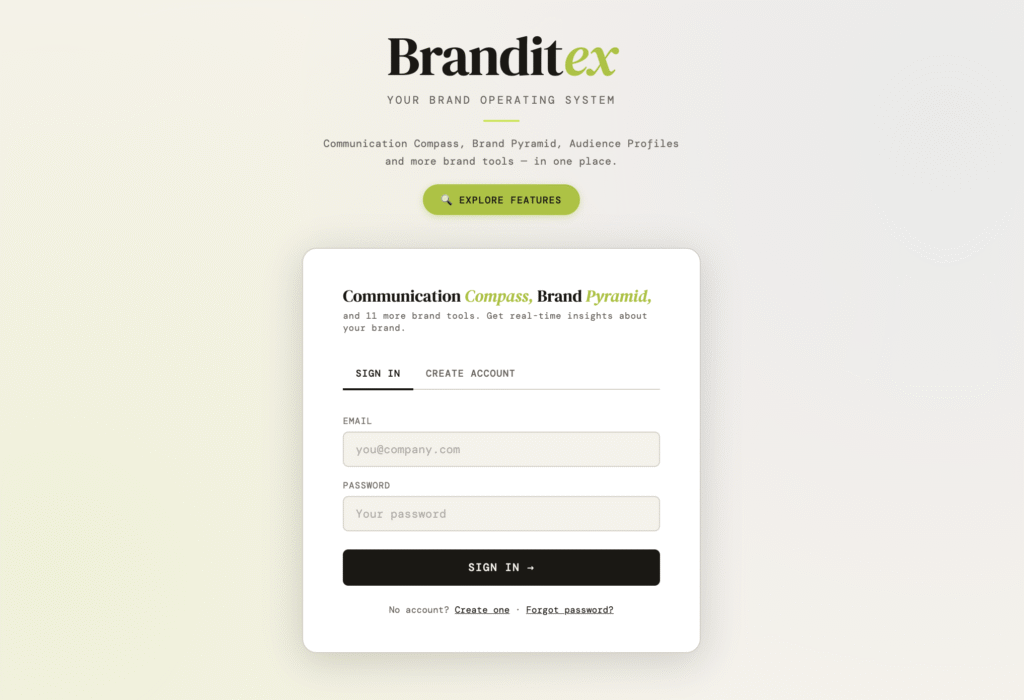
It’s a browser-based brand OS that covers the entire brand strategy process in one structured environment: the Brand Platform pyramid (Mission → Vision → Positioning → Values → Voice → Essence → Identity), audience definition, reasons to trust, competitor mapping, and brand history. Every field connects — update your positioning and it syncs automatically across the Communication Compass, Positioning Map, and Communication Tone settings.
The practical advantage for small businesses: a complete, exportable brandbook generated with one click. What agencies charge $5,000–$15,000 and 6–10 weeks to produce, Branditex compresses into hours. Not because the strategic thinking is skipped — it isn’t — but because the infrastructure for capturing and organizing that thinking is already built.
For growing businesses that need brand documentation but can’t justify a full agency engagement, this fills the gap directly. And for agencies managing multiple client brand systems simultaneously, Branditex functions as the living document layer that keeps strategy consistent across every touchpoint.
The 13 built-in brand tools — including the Communication Compass for competitive channel analysis — make it the only tool on this list that addresses brand strategy as a discipline rather than a production task.
How to Actually Use This List of AI Marketing Tools
The mistake is treating this as a shopping list and subscribing to fifteen AI Marketing Tools simultaneously. That produces subscription sprawl, shallow adoption, and no measurable results.
The right approach: identify the one or two areas where your current marketing process is slowest or most manually intensive. Start there. Build the workflow. Measure the output. Then add the next layer.
AI marketing tools compound when they connect — when your research feeds your briefs, your briefs feed your content, your content feeds your analytics, and your analytics feed your next research cycle. The AI Marketing Tools above cover every stage of that loop.
The businesses pulling ahead in 2026 aren’t the ones with the most AI tools. They’re the ones who built the tightest workflows around the right ones.